

June 24, 2026
Summer Sun & Skin Safety:
The Ultimate Summer Guide to Skin Protection for Utah Families
Serving Logan, UT & the Surrounding Cache Valley including Providence, Brigham City, & Preston, ID
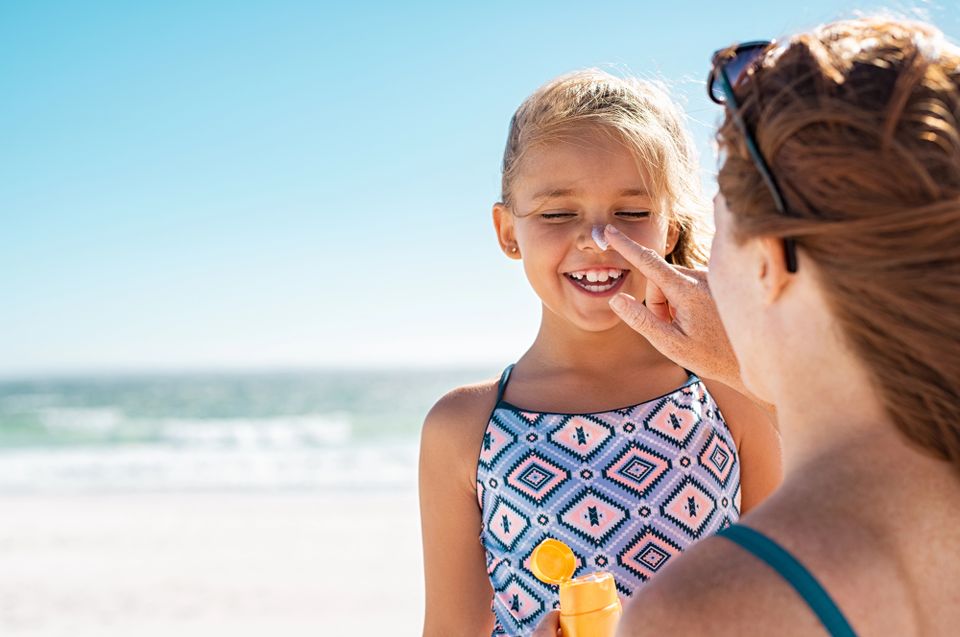
Summer in Cache Valley means long afternoons at the lake, hiking local trails, backyard barbecues, rodeos, baseball games, and family vacations. While Utah summers are beautiful, they also bring intense UV exposure that can quickly damage your skin if you're not careful. At higher elevations, like we have in Logan and the surrounding Cache Valley areas, ultraviolet rays are even stronger, increasing the risk of sunburn, premature aging, and skin cancer.
At Lone Pine Dermatology, we want families to enjoy everything summer has to offer while still protecting their skin. A few healthy habits can go a long way toward preventing long-term sun damage and lowering your risk of skin cancer.
Why Summer Sun Exposure is Stronger in Utah
Many people associate sunburns with beach vacations, but Utah residents face a unique challenge because of elevation. The higher the elevation, the stronger the UV radiation. Even on cooler or cloudy days, UV rays can still penetrate the skin and cause damage. The air is 'thinner,' and you are quite literally closer to the sun up in the gorgeous Wasatch Mountains.
Sun exposure adds up over time. Repeated burns, tanning, and daily UV exposure all contribute to premature aging and increase your risk of developing skin cancer later in life. Children and teenagers are especially vulnerable because much of a person’s lifetime sun exposure happens early on.
The good news is that protecting your skin does not mean staying indoors all summer. It simply means being intentional about your habits when spending time outside.
The Best Summer Skin Protection Tips from Dermatologists
Wear Sunscreen Every Day
One of the best summer skin protection tips is also one of the simplest: wear sunscreen consistently.Many people only think about sunscreen at the pool or lake, but daily sunscreen use is important anytime you spend extended time outdoors. Whether you are gardening, walking the dog, attending a soccer game, or running errands around Logan, your skin is still exposed to UV rays.
Dermatologists recommend choosing a broad-spectrum sunscreen with SPF 30 or higher. Broad-spectrum formulas protect against both UVA and UVB rays, which contribute to aging and skin cancer. Water-resistant sunscreen is especially important during outdoor activities and swimming.
When shopping for sunscreen, look for:
- Broad-spectrum SPF 30 or higher
- Water-resistant protection
- Mineral formulas for sensitive skin
- Sunscreen that feels comfortable enough for daily use
It is also important to apply enough sunscreen. Most adults need about a shot glass amount to fully cover exposed skin. Sunscreen should be reapplied every two hours outdoors, and more frequently after swimming or sweating.
One of the biggest mistakes people make is forgetting commonly exposed areas like the ears, scalp, lips, back of the neck, and tops of the feet.
Use Protective Clothing & Seek Shade
Sunscreen is important, but it should not be your only line of defense. Protective clothing can dramatically reduce sun exposure, especially during long summer days outdoors.- Wide-brim hats help protect the scalp, ears, and face, while sunglasses help shield the delicate skin around the eyes.
- Lightweight long sleeves and UPF-rated clothing have become increasingly popular because they offer protection without trapping excessive heat.
This is especially helpful for Utah families who spend time boating, hiking, fishing, or attending outdoor events throughout the summer.
Protect Your Skin During Outdoor Activities
Most sunburns happen because people lose track of time outdoors. A quick afternoon outside can easily turn into hours of UV exposure.To help prevent sunburn:
- Apply sunscreen about 15 to 30 minutes before going outside
- Reapply sunscreen regularly throughout the day
- Seek shade during peak afternoon hours
- Wear protective clothing whenever possible
- Avoid tanning beds completely
The sun’s rays are strongest between 10 a.m. and 4 p.m. If you are spending time outdoors during those hours, take breaks in the shade and stay hydrated.
Fun Fact: It is also important to know that surfaces like water, sand, and concrete reflect sunlight, increasing UV exposure even more.
What Is the Best Sunscreen?
Patients often ask what the best sunscreen actually is. The answer depends somewhat on your skin type and lifestyle, but the most important factor is choosing one you will use consistently.
For sensitive skin or young children, mineral sunscreens containing zinc oxide or titanium dioxide are often recommended because they are less irritating.
Spray sunscreens can be convenient for active families, although lotion formulas usually provide more reliable coverage when applied correctly.
No sunscreen blocks 100 percent of UV rays, which is why combining sunscreen with hats, shade, and protective clothing is the best approach.
How to Treat a Sunburn Fast
Even when you try to be careful, sunburns can still happen. Early treatment can help minimize discomfort and support the healing process.
If you develop a sunburn, get out of the sun as soon as possible.
Helpful ways to soothe sunburn include:
- Taking cool showers instead of hot ones
- Applying aloe vera or gentle moisturizer
- Drinking plenty of water
- Wearing loose, breathable clothing
- Staying out of the sun while healing
Avoid additional sun exposure while your skin heals, and resist the urge to peel flaking skin. Over-the-counter anti-inflammatory medications may also help reduce discomfort and swelling. Drinking extra water is also important because sunburns can contribute to dehydration.
If you experience severe blistering, fever, dizziness, or dehydration symptoms, it is important to seek medical care.
Warning Signs of Sun Damage & Skin Cancer
One difficult thing about sun damage is that it often develops gradually over many years. A few bad burns during childhood or adolescence can eventually contribute to skin cancer later in life.
Pay attention to any new or changing spots on your skin, especially moles that change color, shape, or size. Scaly patches that do not heal or sores that repeatedly bleed should also be evaluated by a dermatologist.
Early detection is one of the most important parts of successful skin cancer treatment. At Lone Pine Dermatology, we encourage regular skin cancer screenings for patients throughout Logan and Cache Valley, especially those with fair skin, a history of sunburns, or a family history of skin cancer.
To learn more about what a skin cancer screening looks like, check out our guide to skin checks.
Healthy Skin Starts with Prevention for Utah Families
Protecting your skin does not mean avoiding summer activities. It means creating healthy habits that allow you to safely enjoy time outdoors while reducing your risk of long-term damage.
Daily sunscreen use, protective clothing, shade, and regular skin checks all play an important role in keeping your skin healthy. Prevention is always easier than treating advanced sun damage later on.
At Lone Pine Dermatology, we are proud to help families throughout Logan and Cache Valley protect their skin year-round. Whether you need help choosing the best sunscreen, treating sun damage, or scheduling a skin cancer screening, our experienced team is here to help.
Schedule your skin cancer screening today by calling Lone Pine Dermatology at (435) 554-8442 or contact us online.

Make an Appointment
Schedule a consultation right away by calling 435-554-8442.